
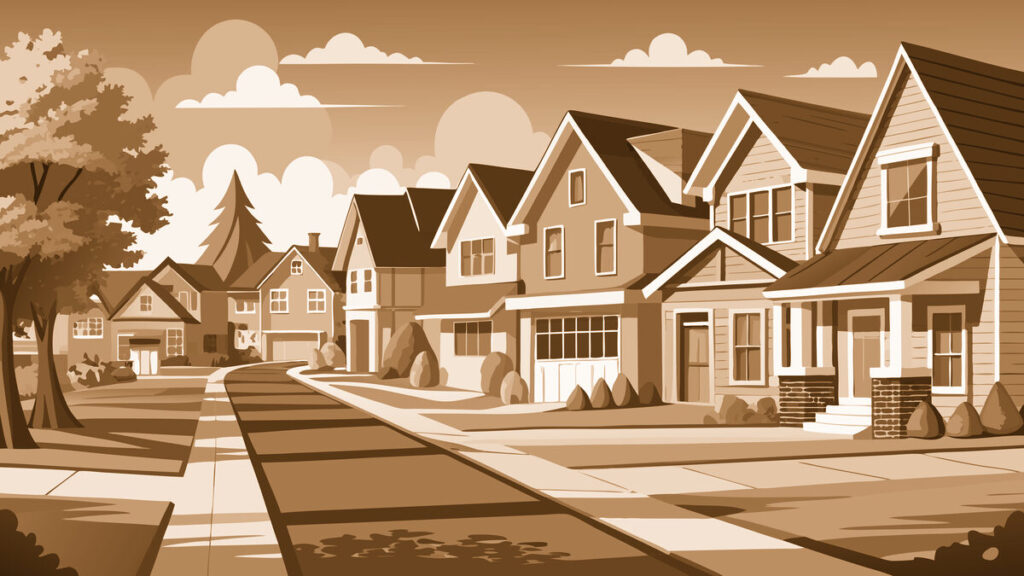
Nestled just south of Annapolis, in the heart of Anne Arundel County, the Gingerville neighborhood represents the best of Parole, Maryland—a warm, close-knit community with a rich history stretching back generations. Residents, both old and new, take pride in the neighborhood’s unique heritage, scenic streets, and enduring traditions. Whether you’re walking along Gingerville Drive or enjoying the peaceful ambiance of the local parks, it’s easy to see why Gingerville remains a treasured pocket of suburban Maryland.
The Origins of Gingerville
Gingerville traces its beginnings back to the late 19th and early 20th centuries, when the surrounding area was largely rural, characterized by sprawling farms, thick forests, and winding creeks. The neighborhood took shape along Gingerville Drive, a road that would later lend its name to the entire subdivision.
The origin of “Gingerville” is both charming and a bit mysterious. Most local historians agree that the name pays homage to the Gingell family—a prominent local clan who owned substantial tracts of land in the area during the 1800s. Early maps and deed records reference “Gingell’s Farm,” which stood near what is now the intersection of Gingerville Drive and Maryland Route 2 (Solomons Island Road). Over time, as the community grew and new families settled, “Gingell’s Farm” evolved into “Gingerville”—a nod to both its agrarian roots and its evolving suburban identity.
Key Historical Milestones
Gingerville’s development was closely tied to regional growth patterns:
- Early 1900s: The neighborhood remained lightly populated, with humble farmhouses and fields dominating the landscape. Longtime Annapolitans tell stories of horse-drawn wagons traveling the dusty lanes that now comprise Forest Drive and Mayo Road.
- Post-World War II Boom: Like many American neighborhoods, Gingerville grew dramatically in the 1950s and ‘60s, as returning veterans and young families sought roomier, greener pastures outside city centers. Developers purchased old farmlands and laid out the tree-lined streets that now define the neighborhood—including the addition of Sunnyview Drive, River Road, and part of Jones Station Road.
- Community Association: In 1958, residents banded together to form the Gingerville Community Association—a pivotal move that helped preserve the area’s character and sense of identity. The Association, which is still active today, organizes annual Easter egg hunts, summer picnics, and a beloved holiday lights competition, strengthening the bonds between neighbors.
Notable Landmarks and Institutions
While Gingerville exudes an intimate, residential vibe, it’s also home to hidden gems and iconic sites:
- Gingerville Community Pool: Operated through the Community Association, the neighborhood pool is a local institution. Each summer, families gather for swim lessons, barbecues, and evening swims—many childhood friendships (and even some marriages!) trace back to lazy afternoons at the pool.
- Gingerville Manor Park: Though modest in size, this park along Gingerville Drive remains a cherished green space. Towering oak trees, a shaded playground, and tidy walking paths make it a favorite stop for joggers and dog walkers. During the spring, clusters of daffodils bloom beside the picnic benches, a symbol of neighborhood renewal.
- Historic Homes: Dotted throughout Ginger Lane and Hearthstone Court, you’ll discover homes dating back to the neighborhood’s early days. Period details—like hand-laid stone foundations and real wood siding—offer a tangible link to the past while new construction blends seamlessly with the established landscape.
Evolution and Community Spirit
One of the most remarkable aspects of Gingerville is its ability to balance tradition and progress. Over the decades, the neighborhood has evolved to meet the needs of new generations while honoring the customs and stories that set it apart.
In the 1980s and 90s, for example, the community saw an influx of new residents—including young professionals working in nearby Annapolis, military families stationed at the U.S. Naval Academy, and retirees drawn by the neighborhood’s serenity. Through it all, Gingerville never lost its sense of belonging.
Today, strolling down streets like Cedar Lane or taking in the view from Robin Hood Road, you’ll find lovingly maintained homes, blossoming gardens, and children playing beneath the shade trees. The annual block party—complete with food trucks, classic cars, and live music—underscores just how rooted and vibrant Gingerville remains.
Honoring the Past, Shaping the Future
Residents cherish the neighborhood’s deep roots and welcoming atmosphere. Local traditions flourished thanks to generations of families who call Gingerville home—neighbors swap recipes, share tools, and look out for one another in ways that seem increasingly rare in today’s fast-paced world.
Even as commercial development along Route 2 brings new restaurants, schools, and shopping centers to the area, Gingerville maintains its unique identity—a peaceful retreat where history lives on in every street, house, and handshake.
If you find yourself traveling through Parole, take a turn off the busy highway and slow down as you enter Gingerville. You’ll hear echoes of the past in the crunch of leaves beneath your feet, feel decades of goodwill in a neighbor’s smile, and see why so many families have chosen to write their own stories in this beautiful corner of Anne Arundel County.
Conclusion
Gingerville stands as a testament to the enduring power of community and the quiet majesty of local heritage. Its journey from farmstead to vibrant suburban haven reminds us that history is not just about old buildings or fading documents—it’s about the people, traditions, and landscapes that shape our everyday lives. Whether you’re a lifelong resident or a curious visitor, Gingerville invites you to become part of its ongoing story.